Date: January 05- 12, 2026
Subject: Integrated Multisectoral Assessment Report: Education, Child Protection, and Social Policy in Galmudug State
- Executive Summary
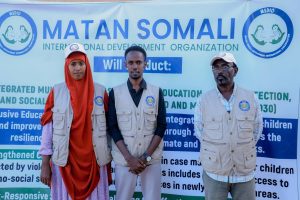
This assessment, conducted by the Matan Somali Development Organization (MSDO), provides a situational analysis of Galmudug State for 2026. Despite state-building progress, the region remains vulnerable to climate shocks and conflict-driven displacement. This report outlines integrated needs to align with the Somalia National Transformation Plan and the UN Somalia Cooperation Framework 2026–2030.
- Education Sector Analysis
Access & Enrollment: In early 2026, over 3 million children remain out of school across Somalia, with Galmudug seeing high dropout rates in rural and IDP areas. The 2022–2026 National Education Sector Strategic Plan (ESSP) targets a 30% Gross Enrollment Ratio, yet current trends in Galmudug districts like Mudug show significant gaps due to school closures in conflict zones.
Key Barriers: Lack of qualified teachers, inadequate ICT infrastructure, and the mismatch between mainstream school schedules and the livelihood needs of pastoralist children.
- Child Protection Framework
Violence & Exploitation: Reported cases of gender-based violence (GBV) and sexual violence against children remain pervasive, with children under 18 accounting for nearly 70% of total reported GBV cases.
Protection Gaps: Severe concerns persist regarding children deprived of parental care and those engaged in hazardous child labor (impacting 47% of households in some areas). Mental Health and Psychosocial Support (MHPSS) services are currently insufficient to meet the needs of displaced youth.
- Social Policy & Safety Nets
System Status: Galmudug is transitioning from emergency safety nets to a formal social protection floor under the national Baxnaano program.
Vulnerability: As of early 2026, approximately 4.8 million people in Somalia require humanitarian assistance, with Galmudug’s rural populations facing acute food insecurity (IPC Phase 3+). Integration of social transfers with birth registration and national ID systems is a critical priority for 2026 to ensure transparent resource allocation.
- Recommendations for Integrated Response
- Multi-Sectoral Hubs:Utilize schools as community hubs to deliver nutrition, health, and protection services simultaneously.
- Inclusion Mandates:Prioritize programs for children with disabilities, aiming to meet the 55% enrollment target set in the ESSP.
- Shock-Responsiveness:Support the Ministry of Women and Human Rights Development (MoWHRD) in Galmudug to implement community-based disaster risk reduction that protects vulnerable families from climate-induced poverty.